
How does mining bitcoin work
Bitcoin mining is a complex and fascinating process that involves solving complex mathematical problems to validate transactions on the Bitcoin network. It requires specialized hardware, a lot of electricity, and a deep understanding of cryptography. If you're curious about how mining Bitcoin works, these three articles will provide you with a comprehensive overview of the topic.
Bitcoin mining is a complex and fascinating process that involves solving complex mathematical problems to validate transactions on the Bitcoin network. It requires specialized hardware, a lot of electricity, and a deep understanding of cryptography. If you're curious about how mining Bitcoin works, these three articles will provide you with a comprehensive overview of the topic.
The Ultimate Guide to Bitcoin Mining
In the fast-paced world of cryptocurrency, Bitcoin mining has become a hot topic among tech-savvy individuals looking to capitalize on the digital gold rush. For those looking to delve into the world of mining, "The Ultimate Guide to Bitcoin Mining" is an invaluable resource that provides a comprehensive overview of the process.
The guide covers everything from the basics of how Bitcoin mining works to more advanced topics such as choosing the right hardware and software for optimal mining performance. It also delves into the various mining methods available, including solo mining and pool mining, offering insights into the pros and cons of each approach.
One of the standout features of the guide is its practical tips and tricks for maximizing mining profitability, such as managing electricity costs and optimizing mining rig configurations. Additionally, the guide provides a detailed breakdown of the current state of the Bitcoin mining industry, offering valuable insights for both beginners and experienced miners alike.
Overall, "The Ultimate Guide to Bitcoin Mining" is an essential read for anyone looking to get started in the world of cryptocurrency mining. Its comprehensive coverage of the topic makes it a must-read for those interested in exploring this exciting and potentially lucrative field.
Inside the World of Bitcoin Miners: How They Operate and Make Money
Bitcoin mining is a complex and fascinating world that is often shrouded in mystery for many people. However, understanding how Bitcoin miners operate and make money can provide valuable insights into the inner workings of this digital currency ecosystem.
Bitcoin miners are individuals or groups of individuals who use powerful computers to solve complex mathematical puzzles in order to validate transactions on the Bitcoin network. In exchange for their efforts, miners are rewarded with newly minted bitcoins as well as transaction fees.
Here are some key aspects of how Bitcoin miners operate and generate income:
-
Mining Hardware: Bitcoin miners rely on specialized hardware, known as ASICs (Application-Specific Integrated Circuits), to perform the necessary calculations for mining. These machines are expensive but essential for efficient mining operations.
-
Mining Pools: Many miners join forces and pool their resources together in mining pools to increase their chances of successfully mining a block. By working together, miners can share the rewards more evenly among participants.
-
Electricity Costs: Mining Bitcoin requires a significant amount of electricity to power the mining hardware. Miners must carefully consider the cost of electricity in their region to ensure that their operations remain profitable.
-
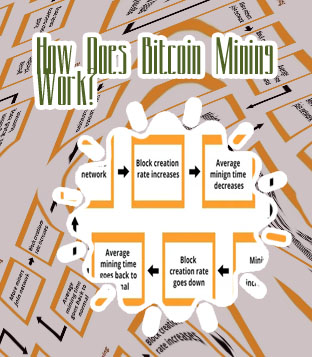
Mining Difficulty: The difficulty of mining Bitcoin adjusts regularly to ensure that new blocks are mined at a consistent rate. Miners must
The Evolution of Bitcoin Mining: From CPU to ASIC Mining Machines
Bitcoin mining has come a long way since its inception in 2009. Initially, miners could use their computer's central processing unit (CPU) to solve complex mathematical equations and earn Bitcoin as a reward. However, as the popularity of Bitcoin grew, so did the difficulty of mining. This led to the development of more efficient mining hardware, such as graphics processing units (GPUs) and field-programmable gate arrays (FPGAs).
The most significant evolution in Bitcoin mining hardware came with the introduction of application-specific integrated circuit (ASIC) machines. These specialized devices are designed solely for the purpose of mining Bitcoin and are far more efficient than traditional hardware. ASIC machines are capable of performing trillions of calculations per second, making them the go-to choice for serious miners.
The transition from CPU mining to ASIC mining has revolutionized the Bitcoin mining industry, making it more competitive and profitable than ever before. Miners can now mine Bitcoin at a much faster rate and with lower energy consumption, leading to increased profits. Additionally, ASIC machines have made it more difficult for casual miners to compete, as they require a significant investment in hardware.
In conclusion, the evolution of Bitcoin mining from CPU to ASIC machines has transformed the industry and paved the way for greater efficiency and profitability. For those